
The Allure of High-Stakes Gambling
High-stakes gambling in casinos presents a unique psychological phenomenon that captivates many individuals. The thrill of risking substantial sums of money not only appeals to the excitement-seeking personality but also taps into deeper emotional drives. This allure stems from the potential for significant financial gain, combined with the social environment that casinos create, offering a backdrop of glamour and anticipation. For those curious about new ways to experience the thrill of gaming, new usa online casinos are emerging as popular alternatives to traditional venues.
The psychological stakes are elevated in such environments, as players often experience heightened emotions, which can influence their decision-making processes. The sheer act of placing a large bet can trigger adrenaline, and for some, this rush becomes addictive. This dynamic interplay between risk and reward is a crucial component of why high-stakes gambling attracts both seasoned gamblers and novices alike.
The Role of Cognitive Biases
Cognitive biases play a significant role in shaping the behavior of high-stakes gamblers in casinos. Many players fall victim to the illusion of control, believing that their skills can influence the outcome of games that are inherently based on chance. This belief can lead to escalated betting and a willingness to take risks that go beyond rational thinking.
Furthermore, the availability heuristic can impact gamblers by making them overestimate the likelihood of winning based on vivid, memorable wins they might have witnessed or heard about. Such biases distort their perception of risk and reward, leading to potentially reckless gambling behavior, especially in high-pressure situations where the stakes are high.
Emotional Impact of Winning and Losing
The emotional rollercoaster of winning and losing plays a significant role in the psychology of high-stakes gambling. Winning can lead to a euphoric state, often referred to as a “gambler’s high,” which reinforces the behavior and encourages continued play. Conversely, the agony of loss can evoke feelings of despair and frustration, pushing some gamblers to chase their losses in an attempt to recapture that initial thrill.
This cyclical pattern of emotional highs and lows can create a reinforcing loop, where the desire to recreate the euphoric experience drives gamblers deeper into the high-stakes realm, possibly leading to problematic gambling behaviors. Understanding this emotional impact is crucial for both gamblers and those seeking to provide support for gambling-related issues.
Strategies for Managing Risk
Given the psychological complexities of high-stakes gambling, developing effective strategies for managing risk becomes essential. Setting strict limits on the amount of money and time spent gambling can help mitigate potential negative consequences. Additionally, finding alternative activities that provide similar thrills without the dire financial implications is a practical approach to balancing the excitement of gambling with responsible behavior.
Awareness of one’s emotional triggers is also vital in maintaining control during high-stakes situations. Developing self-regulation skills and recognizing when the urge to gamble is driven by emotional highs can empower gamblers to make more informed choices, ultimately leading to a healthier relationship with gambling.
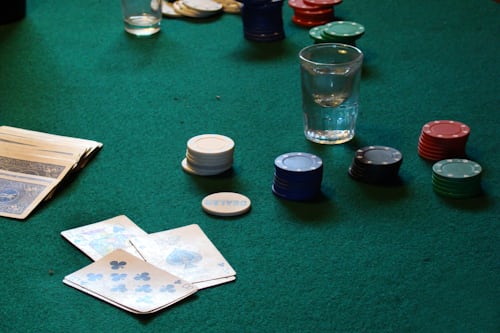
JudicialSelection.us: Understanding Gambling Regulations
While this article explores the intricate psychology of gambling, it’s essential to recognize the framework that governs these activities. JudicialSelection.us provides valuable insights into the legal landscape surrounding gambling regulations. Understanding these regulations can enhance awareness of responsible gambling practices and promote a safer environment for all players.
By fostering greater knowledge about judicial matters related to gambling, this resource empowers individuals to engage more thoughtfully in the high-stakes world of casinos, ensuring that informed decisions are made far beyond the gaming table.